






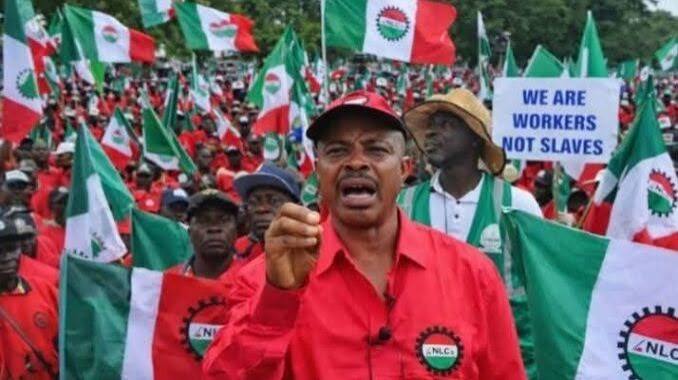

Public-sector workers across Nigeria have begun a three-day warning strike over worsening economic conditions and unresolved demands concerning fuel prices, wages and the forthcoming national minimum-wage negotiations. The action, organised under the Joint National Public Service Negotiating Council (JNPSNC), is scheduled to run from October 2 to October 4, with reports indicating varying levels of compliance across the country.
The unions are demanding, among other measures, a reduction in petrol prices, an immediate wage award and the commencement of negotiations for a new national minimum wage expected to become due in 2027. The JNPSNC had earlier written to President Bola Ahmed Tinubu outlining its concerns and subsequently directed federal, state and local government employees to participate in the warning strike.
The industrial action has placed renewed attention on the social consequences of Nigeria’s economic reforms. Workers argue that the cost of transportation, food and other essential goods has significantly increased, putting pressure on household incomes and purchasing power.
The situation has also generated different levels of compliance across states. Vanguard reported that Lagos and Ekiti recorded little or no compliance in some locations, while significant disruptions were observed in parts of Ondo and other states. In Abuja, reports indicated that some civil servants backed the action over concerns about rising living costs.
The strike comes shortly after President Tinubu’s Independence Day address, in which he discussed Nigeria’s economic situation and the government’s reform programme. Labour leaders have criticised the absence of specific measures addressing their immediate demands in the address.
The development presents another test for government-labour relations at a time when the administration is seeking to maintain economic reforms while responding to demands for stronger social protection. Dialogue between government and organised labour is likely to remain central to efforts to prevent a prolonged industrial dispute.
Beyond the immediate strike, the controversy highlights a broader policy challenge for Nigeria: how to combine fiscal and economic reforms with measures capable of protecting workers and vulnerable households from short-term economic pressures. The outcome of the current dispute could therefore have implications for the 2027 minimum-wage negotiations and wider industrial relations.





Add Comment