












By Fahiz Olawale
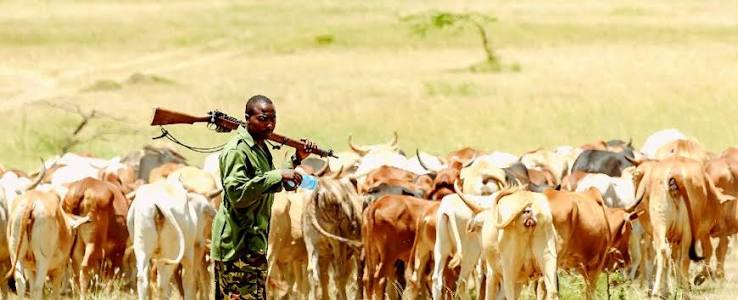
Nigeria’s continuing farmer–herder crisis has entered another phase as the Federal Government pushes a more structured livestock-development model involving designated land, livestock centres and modern production systems. The government argues that organised livestock production can reduce uncontrolled cattle movement and help prevent conflicts with farming communities.
Livestock Development Minister Idi Mukhtar Maiha has called for stronger collaboration among federal and state governments, farmers, herders and private-sector operators. He argues that livestock should be treated as a commercial industry requiring appropriate facilities, investment and dedicated production spaces.
The Federal Government is also exploring livestock development centres in partnership with states and the private sector. Under the emerging model, states would provide suitable land while governments and businesses develop livestock value chains involving breeding, feeding, processing and marketing.
The policy has nevertheless remained controversial. Southern and Middle Belt organisations have previously expressed concern that government-backed ranching initiatives could affect community land rights and create new tensions if affected communities are not properly consulted.
The Federal Government has identified several conflict-prone areas, including Benue, Plateau, Nasarawa, Kaduna and Adamawa, as well as the Federal Capital Territory, for priority interventions under the renewed ranching strategy. It has also identified hundreds of grazing reserves nationally as potential components of the livestock-development framework.
Another emerging element is animal identification and traceability. The livestock minister has called for compulsory tagging of animals, with digital records intended to identify owners, track ownership transfers and prevent livestock theft.
The central policy challenge remains finding a model that protects farmers’ land and crops while allowing pastoralists and livestock businesses to operate productively and securely. Sustainable ranching, accessible animal feed, land-rights protection, community consultation, effective policing and economic incentives will all be necessary if the farmer–herder crisis is to be addressed without creating new sources of conflict.






Add Comment