











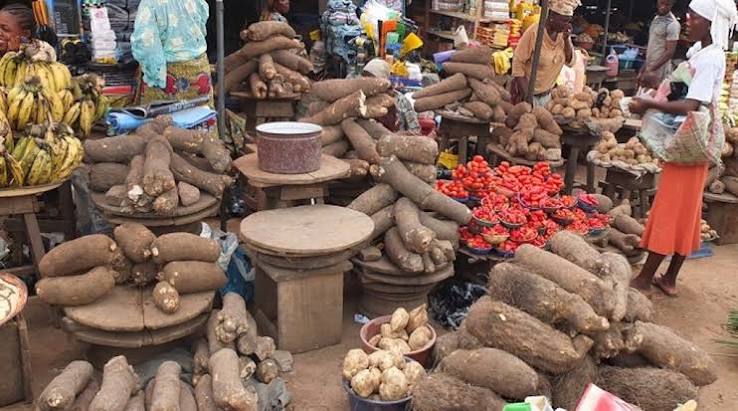

Food affordability remains a key issue in Nigeria, with public discussion focusing on food inflation, household purchasing power and agricultural productivity.
A Nigerian Television Authority report published on October 17 examined food affordability in connection with World Food Day 2026.
Lower inflation, if sustained, could ease the pace at which food prices rise, but it does not necessarily mean that food prices have fallen.
Transport costs, storage losses, insecurity in farming areas and market disruptions can all affect the final price paid by consumers.
Farmers also need access to quality inputs, finance, irrigation, reliable roads and functioning markets.
Government support should be assessed by whether it improves food
Nigeria needs a coordinated food-security strategy that increases domestic production while improving distribution and protecting the purchasing power of low-income families.






Add Comment