






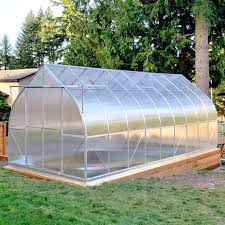


In the evolving world of agriculture, especially in regions facing unpredictable weather and climate change, greenhouses have emerged as an essential tool for modern farming. But what exactly is a greenhouse, and how does it work?
A greenhouse is a structure designed to create a controlled environment for growing plants. It is typically made of transparent materials like glass or clear plastic, which allow sunlight to enter while trapping heat inside. This enclosed space protects crops from extreme weather conditions, pests, and diseases — allowing plants to grow year-round regardless of the external climate.
The greenhouse operates on a simple but powerful principle known as the “greenhouse effect.”
Here’s how it works:
- Sunlight enters the greenhouse through the transparent walls and roof.
- Plants absorb the light and use it for photosynthesis — the process by which they grow.
- The light energy is converted to heat, which warms the air, soil, and plants inside the greenhouse.
- The structure traps the heat, preventing it from escaping quickly. As a result, the inside stays warmer than the outside, even during cold nights or seasons.
This warm, stable environment encourages faster and healthier plant growth, even when outdoor conditions are harsh or unpredictable.
A typical greenhouse includes several important components. The structure or frame is usually made of wood, steel, or aluminum for durability. The covering material might be glass, polycarbonate, or polyethylene — all designed to let light in while insulating heat. Ventilation systems help regulate temperature and humidity to prevent overheating. Irrigation systems, like drip lines or mist sprayers, ensure crops get consistent moisture. Inside, plants are organized using beds or shelving to maximize space and support growth.









Add Comment