











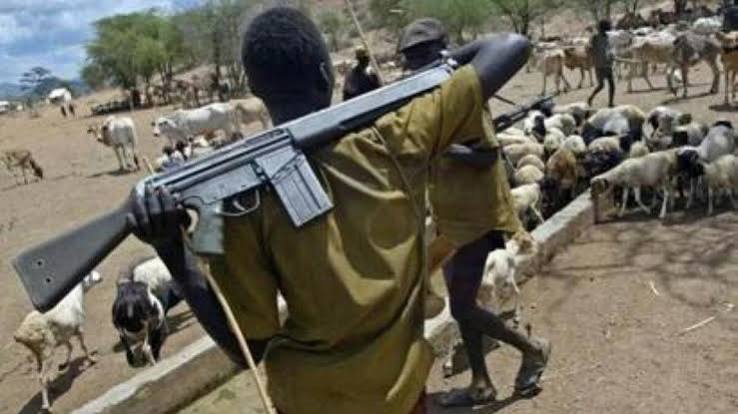

The Federal Government’s renewed effort to establish modern ranching settlements has brought the farmer-herder conflict back to the centre of Nigeria’s national policy debate. The administration has proposed rehabilitating existing grazing reserves and developing ranching hubs as part of a broader strategy to reduce clashes between farming communities and pastoralists.
Government plans reported in August included the rehabilitation of 417 grazing reserves, with a pilot ranching programme involving selected states and the Federal Capital Territory. The Federal Government has argued that open grazing is increasingly unsustainable and that modern livestock production requires more organised systems.
The policy is being advanced against the background of years of deadly conflicts involving farmers and herders in several parts of the country. Benue, Plateau and other states have experienced attacks, displacement and destruction of agricultural communities, making land use and livestock management major security concerns.
Benue State has expressed reservations about aspects of the Federal Government’s ranching approach, reflecting the sensitivity of land ownership and agricultural policy in the state. The disagreement illustrates the difficulty of designing a national policy that accommodates different state laws, agricultural systems and local circumstances.
Supporters of ranching argue that organised livestock production could reduce movement of cattle through farming communities, improve animal productivity and create opportunities for modern livestock value chains. Such an approach could potentially connect livestock production with dairy processing, meat production, veterinary services and agricultural employment.
Critics and affected communities, however, continue to emphasise questions of land rights, security, compensation, displacement and the protection of farming communities. Recent calls have also stressed that displaced communities must be able to return safely to their ancestral areas before new settlements or ranching arrangements are implemented.
The continuing debate demonstrates that Nigeria’s farmer-herder crisis is not solely an agricultural problem. It encompasses land governance, security, climate pressures, food production, migration and community relations. A sustainable national solution will therefore require cooperation among federal and state governments, farmers, pastoralists, traditional institutions and affected communities.






Add Comment