






By Rahamatalahi Abike
The management of Nigeria’s Ecological Fund has come under renewed scrutiny following findings that the 36 states received approximately N32 billion from the fund during the first six months of 2026. The development is attracting attention because the country continues to experience flooding, erosion and other environmental emergencies.
The Ecological Fund is designed to help governments respond to ecological challenges including flooding, erosion, desertification, pollution and other environmental threats. However, reports indicate that some states spent relatively little on flood and erosion control despite receiving allocations.
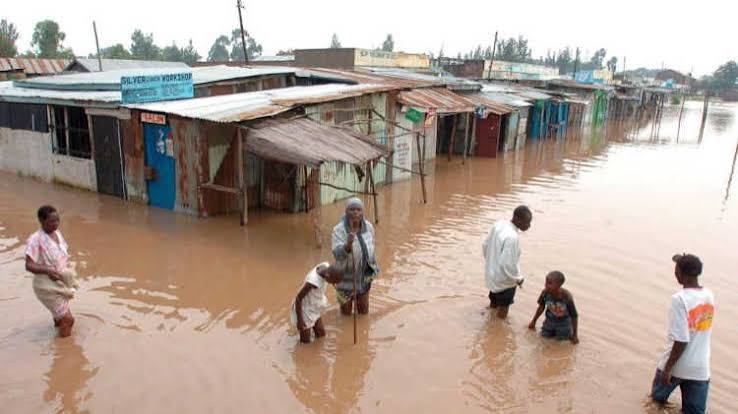
The issue has become more urgent because federal authorities have warned of flooding risks across numerous states and the Federal Capital Territory. Communities in several parts of the country have been placed under critical, high or moderate flood-risk categories.
The apparent gap between ecological funding and visible intervention raises questions about public financial management and accountability at the state level. States receiving substantial ecological resources are increasingly expected to demonstrate clearly how the funds are being used to protect communities.
Flooding is not only an environmental issue; it is also an economic-development challenge. Floods can destroy roads, homes, farms, schools, businesses and public infrastructure while disrupting transportation and local supply chains.
For states, effective ecological spending should therefore be viewed as preventive economic investment rather than emergency expenditure alone. Drainage systems, flood-control infrastructure, early-warning systems, watershed management and community preparedness can reduce the long-term economic cost of disasters.
The current debate reinforces the need for stronger transparency in the management of ecological resources. With thousands of communities exposed to varying degrees of flood risk, the effectiveness of state-level environmental planning could become one of the most important tests of governance and development in the months ahead.





Add Comment