











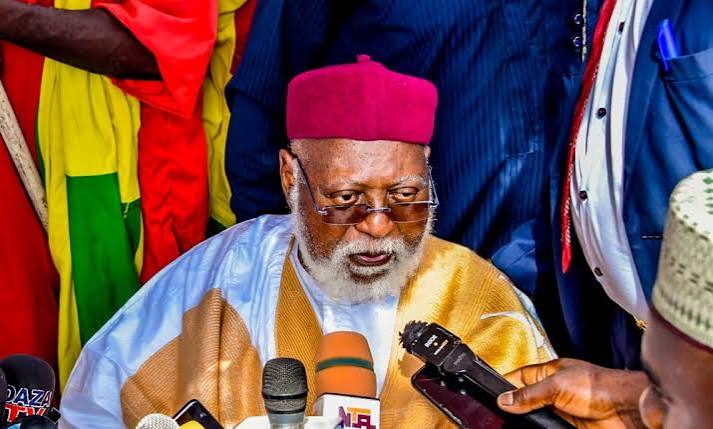

The National Peace Committee has warned President Bola Tinubu, former Vice-President Atiku Abubakar, Peter Obi and other political actors against inflammatory, inciting and misleading campaign activities ahead of the 2027 general elections. The committee, chaired by former Head of State General Abdulsalami Abubakar and convened by Catholic Bishop Matthew Kukah, said the political environment required greater restraint from politicians and their supporters.
The committee disclosed that its Election Security Information Hub recorded 60 election-related incidents between August 19 and September 19, 2026. The incidents included misinformation, political intimidation, threats, attacks on political activities and political violence.
According to the committee, misinformation and disinformation represented the largest category, accounting for 24 incidents, or 40 per cent of the total. Attacks and disruptions affecting political activities accounted for 13 cases, while political intimidation and threats represented another 10 incidents.
The committee also recorded six cases of political violence and thuggery, four inflammatory statements, as well as individual cases involving restrictions on freedom of expression, intra-party conflict and voter inducement.
The development comes at a critical period as political parties and presidential aspirants increasingly position themselves for the 2027 election. The committee warned that inflammatory rhetoric, misinformation and political violence could undermine public confidence in the electoral process.
The National Peace Committee therefore called on political parties, candidates and supporters to immediately stop false and inflammatory communication. It also urged security agencies to intensify impartial and evidence-based investigations into electoral offences.
With political competition expected to intensify in the coming months, the committee’s warning places renewed attention on the responsibility of political leaders to conduct campaigns around policies, programmes and national development rather than hate speech and personal attacks.





Add Comment