



From the Vatican to the Holy Kaaba: Demonstrating a Commitment to Religious Freedom, Mutual Respect and Peaceful Coexistence
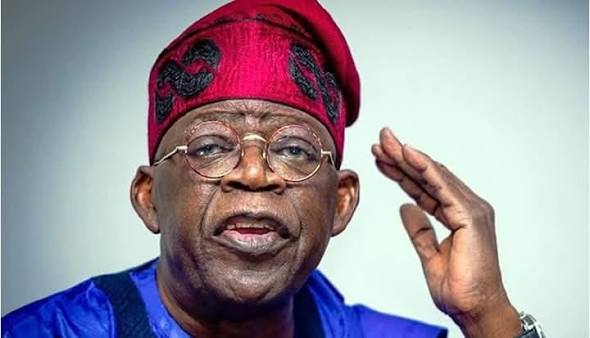
In a remarkable demonstration of religious tolerance, interfaith understanding and respect for the diversity of Nigeria, President Bola Ahmed Tinubu, GCFR, has continued to project an image of leadership that transcends religious boundaries. His remarkable engagements with two of the world’s most significant religious centres—the Vatican City and the Holy Kaaba in Makkah, Saudi Arabia—have provided a powerful opportunity to highlight the importance of religious freedom, mutual respect and peaceful coexistence in a diverse nation such as Nigeria.
On Sunday, May 18, 2025, President Tinubu attended the historic inauguration Mass of His Holiness Pope Leo XIV at St. Peter’s Square in Vatican City, joining other world leaders to witness the beginning of a new pontificate in the Roman Catholic Church. His presence at the historic religious occasion, accompanied by prominent Nigerian Catholic leaders, including members of the Catholic Bishops’ Conference of Nigeria, demonstrated his willingness to engage with religious institutions beyond his personal faith. It was also an important diplomatic statement about Nigeria’s commitment to international religious understanding and cooperation.
In another significant spiritual milestone, President Tinubu recently performed the lesser pilgrimage, Umrah, in Makkah, Saudi Arabia, where he was granted the rare privilege of entering the Holy Kaaba, the most sacred sanctuary in Islam, located within Masjid al-Haram. The privilege, facilitated through the gracious intervention of the Custodian of the Two Holy Mosques, King Salman bin Abdulaziz Al Saud, and Crown Prince Mohammed bin Salman, provided the Nigerian President and members of his delegation an opportunity to offer special prayers inside the sacred structure. The President expressed profound gratitude for the honour and described the experience as deeply meaningful.
These two remarkable engagements present an important dimension of President Tinubu’s leadership: the recognition that Nigeria’s strength lies in its religious, cultural and ethnic diversity. As a Muslim President who has demonstrated respect for one of Christianity’s most important global ceremonies, while also undertaking a significant Islamic spiritual journey, Tinubu has projected a message that national leadership should be inclusive and respectful of the convictions of all citizens.
Beyond the symbolism of these religious engagements, President Tinubu has consistently called on Nigerians to transform their diversity into an instrument of national prosperity rather than division. During his engagement with Catholic bishops in Rome, he emphasised that religious and cultural differences should strengthen the country’s unity and contribute to stability and development. This message is particularly important for Nigeria, a country where Muslims, Christians and adherents of other faiths share common aspirations for peace, security, economic opportunity and a better future.
Nigeria needs leadership that recognises that the freedom to worship, practise one’s religion and uphold one’s cultural identity is fundamental to national cohesion. The President’s engagements with the Vatican and the Saudi Arabian religious authorities offer a powerful diplomatic and symbolic opportunity to reinforce Nigeria’s image as a country committed to religious understanding. However, the ultimate measure of this commitment must also be reflected in practical policies that protect every Nigerian, irrespective of religion, ethnicity, region or social background.
Ultimately, President Bola Ahmed Tinubu’s appearances at the inauguration of Pope Leo XIV and his recent spiritual engagement inside the Holy Kaaba represent two remarkable moments in his presidential journey. They communicate a message that religious differences should never become barriers to friendship, cooperation, national development or mutual respect. For a country as diverse as Nigeria, this is a message worth celebrating, strengthening and translating into everyday national life.
A NATION UNITED BY DIVERSITY
Nigeria is blessed with a rich diversity of faiths, cultures, languages and traditions. Under President Tinubu’s leadership, the aspiration should remain a country where every Christian, Muslim and other religious believer feels protected, respected and included; where no citizen is discriminated against because of religious conviction; and where national identity takes precedence over religious and ethnic divisions.
From the Vatican to the Holy Kaaba, the message is clear: Nigeria’s diversity should be its strength, religious tolerance should be its foundation, and national unity should remain its collective destination.




Add Comment