




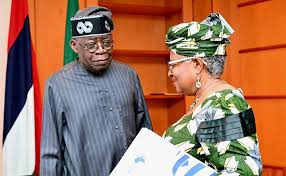


On August 14, 2025, Dr. Ngozi Okonjo-Iweala, Director-General of the World Trade Organization, met with President Bola Ahmed Tinubu to discuss Nigeria’s economic trajectory. In her remarks, she commended the administration’s reforms to stabilize the economy, describing it as a necessary first step. She outlined a three-phase vision: · Economic Stability – establishing macroeconomic balance, · Economic Growth – unlocking productivity and investment, and · Social Safety Nets – cushioning vulnerable citizens after reforms. While I partly agree with Dr. Okonjo-Iweala’s framework, I do not agree with the sequencing in totality. Social safety nets must come first—or at least run concurrently with stabilization efforts—before moving entirely into growth mode. The reason is simple and human: people have to eat. As the late sociologist Heribert Adam noted, basic needs are non-negotiable prerequisites for social Stability. If macroeconomic reforms immediately raise the cost of living—as subsidy removal, currency devaluation, and monetary tightening already have—citizens without protection will bear the brunt. This not only risks social unrest but can also undermine the reforms themselves. The resources to act already exist. On July 31, 2023, Reuters reported that President Tinubu announced that scrapping fuel subsidies had saved $1.32 billion. This is precisely the kind of fiscal windfall that could have been—and still can be—deployed toward targeted safety nets. Using such savings to shield the most vulnerable immediately would make stabilization more humane and politically sustainable. My Framework for a Balanced Economic Transition Short Term (0–12 months): Protect Lives While Reforming Immediate roll-out of targeted social safety nets such as conditional cash transfers, subsidized staple food programs, and transport vouchers for low-income households. Priorities basic needs security—food, shelter, healthcare—so reforms don’t translate into mass deprivation. Fund these measures from fuel subsidy savings and concessional loans earmarked for social protection. Medium Term (1–3 years): Stabilize Without Excluding Continue macroeconomic stabilization—monetary discipline, fiscal consolidation, and anti-inflation measures—while maintaining and expanding safety nets. Introduce labor market programs, skill development, and SME financing to keep people economically active during the transition. Build resilience in rural communities through targeted agricultural support. Long Term (3–7 years): Growth with Inclusion Leverage the Stability achieved to drive broad-based economic Growth through infrastructure investment, industrial diversification, and digital transformation. Institutionalize social safety nets, not just crisis tools, as a permanent social contract. Ensure policy frameworks protect against future shocks, so citizens are never unprotected during economic adjustments. Conclusion Dr. Okonjo-Iweala is correct that stabilization is essential, Growth is critical, and safety nets are necessary. However, reversing the order to Social Safety Nets → Stabilization → Growth (with overlaps) ensures that no Nigerian is left behind while the economy is being repaired. Stabilization without immediate protection risks deepening poverty and eroding public trust; protection before and during reforms creates the social cohesion needed for reforms to succeed and Growth to be sustained. Brazil’s Bolsa Família program, Indonesia’s fuel subsidy reform with direct cash transfers, and Ghana’s Livelihood Empowerment Against Poverty (LEAP) initiative all show that early safety nets make stabilization more effective and politically feasible. Nigeria has the fiscal space to do the same right now, evidenced by the $1.32 billion saved from fuel subsidy removal.






Add Comment