







By Abdullahi
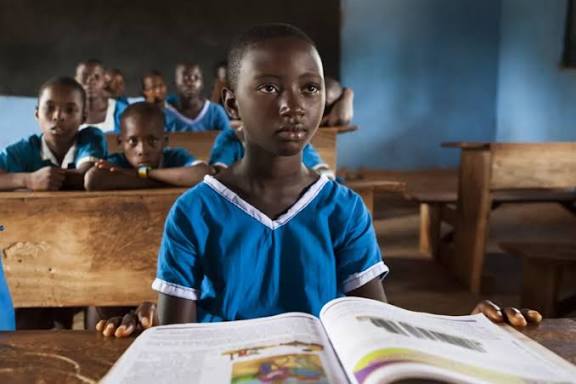
Concerns over education financing have intensified following reports that approximately ₦267 billion allocated to education programmes remains unspent while Nigerian children continue to face serious literacy challenges.
A report highlighted by Nigerian media on 13 October cited estimates that around 70 per cent of Nigerian children cannot read proficiently. The precise assessment, age group and methodology should be checked against the original study before publication.
The apparent gap between available funding and educational outcomes raises questions about implementation capacity, project monitoring and the timely release of resources.
Low literacy levels can affect future employment, economic productivity, civic participation and the ability of children to progress to secondary and tertiary education.
Improving literacy requires qualified teachers, age-appropriate reading materials, instruction in languages children understand, regular assessment and stronger support for disadvantaged pupils.
Federal and state authorities should publish clear information about unspent funds, explain any administrative obstacles and identify measurable targets for improving reading and numeracy.
Education funding must translate into real learning. For Giant Planet Magazine, the central public-interest question is whether the money available is reaching classrooms and helping children acquire essential skills.





Add Comment