



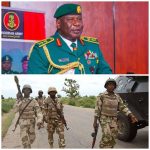


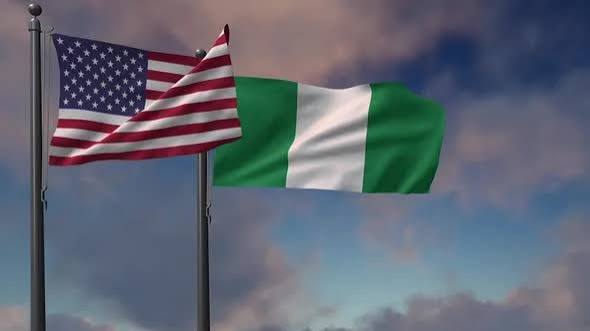

Nigeria faces a significant diplomatic challenge following reports that the United States has placed the country on its Child Soldiers Prevention Act blacklist.
The designation could affect certain forms of US military assistance, training and defence cooperation, depending on the applicable restrictions and any waivers granted by the US administration.
The development is sensitive because Nigeria and the United States have cooperated on counterterrorism, intelligence, military training and regional security issues.
Nigeria will have an interest in obtaining clear information about the basis for the designation, the evidence considered and the specific consequences for existing security programmes.
The Nigerian government should address substantiated concerns through transparent investigations, protection of children and strict compliance with international obligations governing armed conflict.
Diplomatic engagement could help both governments clarify outstanding questions while preserving cooperation against terrorism and other threats that affect regional stability.
The issue demonstrates that international partnerships depend not only on shared security interests but also on human-rights standards, accountability and confidence in how security operations are conducted.




Add Comment