








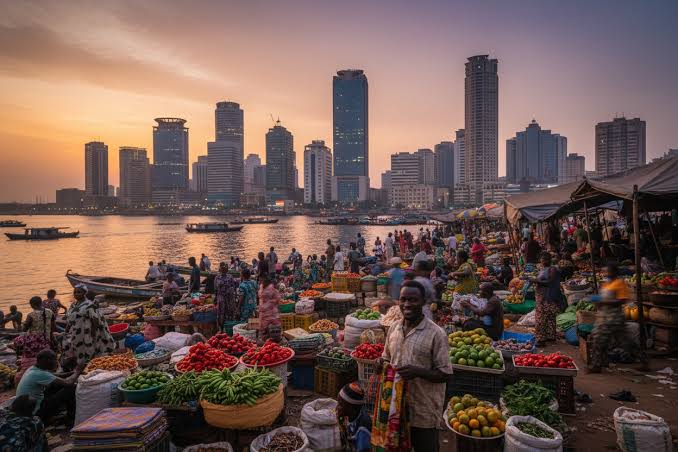

Nigeria’s economic policy debate continues to centre on whether improvements in national economic indicators are translating into better living conditions for ordinary citizens. Inflation has eased, but food prices and other household expenses remain important concerns.
The country’s development challenge involves not only economic growth but also the availability of secure employment, affordable food, quality education and accessible healthcare.
Small businesses and informal workers are particularly sensitive to increases in transport, energy and borrowing costs.
Government interventions are more likely to produce lasting results when they are supported by reliable data, effective implementation and transparent public reporting.
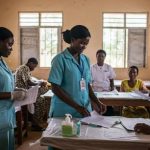
States and local governments also have important responsibilities in delivering primary healthcare, basic education, rural infrastructure and social-support programmes.
Partnerships with development institutions, civil society and the private sector can help mobilise resources, provided that roles and expected results are clearly defined.
Nigeria’s central policy challenge is to convert economic stabilisation into inclusive growth that expands opportunity, reduces deprivation and improves the everyday lives of citizens






Add Comment