











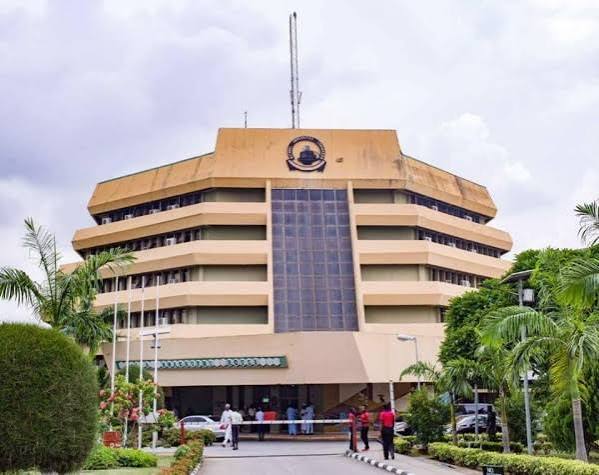

The approval of three undergraduate programmes at the University on the Niger represents a development in Anambra State’s higher education landscape. New programmes can expand students’ options when supported by appropriate academic resources.
The National Universities Commission plays an important role in assessing whether universities meet the requirements for approved academic programmes. Resource verification helps examine institutional readiness before programmes proceed.
Programme approval should be followed by investment in qualified lecturers, suitable classrooms, laboratories where needed and adequate learning materials. These resources are essential to delivering education that meets recognised standards.
Students and parents should consult official university announcements for the names of the programmes, admission requirements and approved commencement dates. Prospective applicants should avoid relying on unverified social media claims.
Universities also need strong student-support systems, including academic advising, libraries, digital learning facilities and transparent assessment procedures. These measures can improve completion rates and graduate preparedness.
Employers and professional bodies can help ensure that academic programmes remain relevant to labour-market needs. Practical training, research and industry partnerships can improve graduates’ employment prospects.
Expanding university offerings is valuable when growth is matched by quality assurance and sustainable funding. The long-term test will be whether students receive a credible education that supports employment, innovation and regional development.






Add Comment