



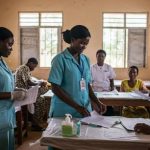






Concerns about school hygiene have renewed attention to the relationship between education and public health. Children need safe classrooms, clean water and adequate sanitation to learn effectively.
Poor sanitation can contribute to preventable illnesses and school absenteeism. The impact may be especially serious in communities where households have limited access to safe water and healthcare.
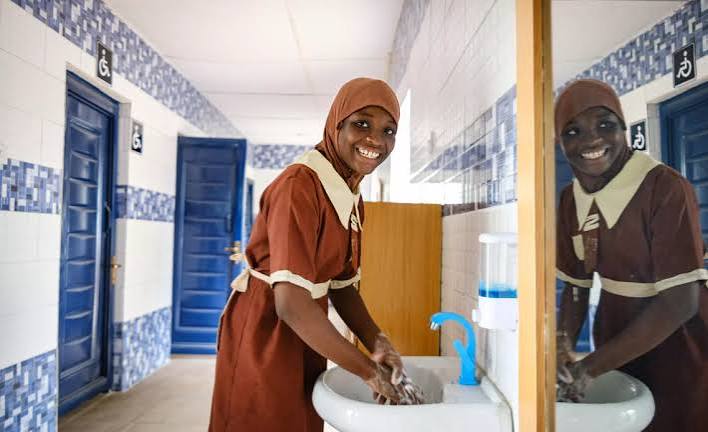
Schools should have functional toilets, handwashing facilities, safe drinking water and systems for maintaining clean learning environments. Facilities must also be accessible to children with disabilities.
School administrators and local authorities need clear responsibilities for maintaining facilities. Building new toilets or water points is insufficient if maintenance and access to supplies are neglected.
Hygiene education can help children develop habits that protect their health at school and at home. Teachers and health workers can reinforce practical guidance without stigmatising pupils from disadvantaged households.
Government agencies, development partners and private organisations can support improvements through transparent funding and measurable targets. Monitoring should assess whether facilities remain functional and are actually used.
A healthy learning environment is part of the foundation of educational quality. Investment in school hygiene can improve attendance, protect children’s dignity and support stronger learning outcomes.





Add Comment